-
News
Accessibility
Accessibility


Relevance.
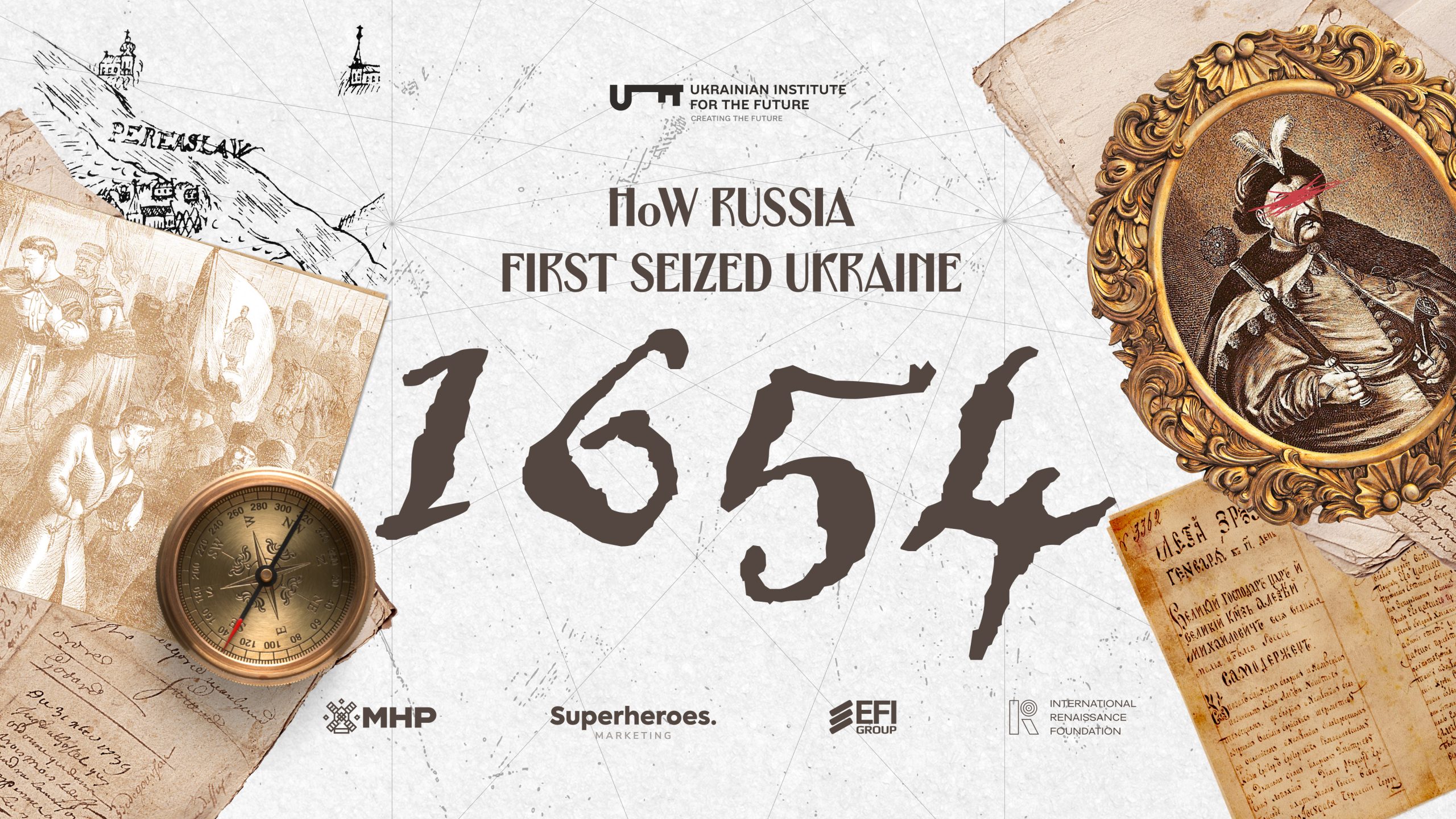
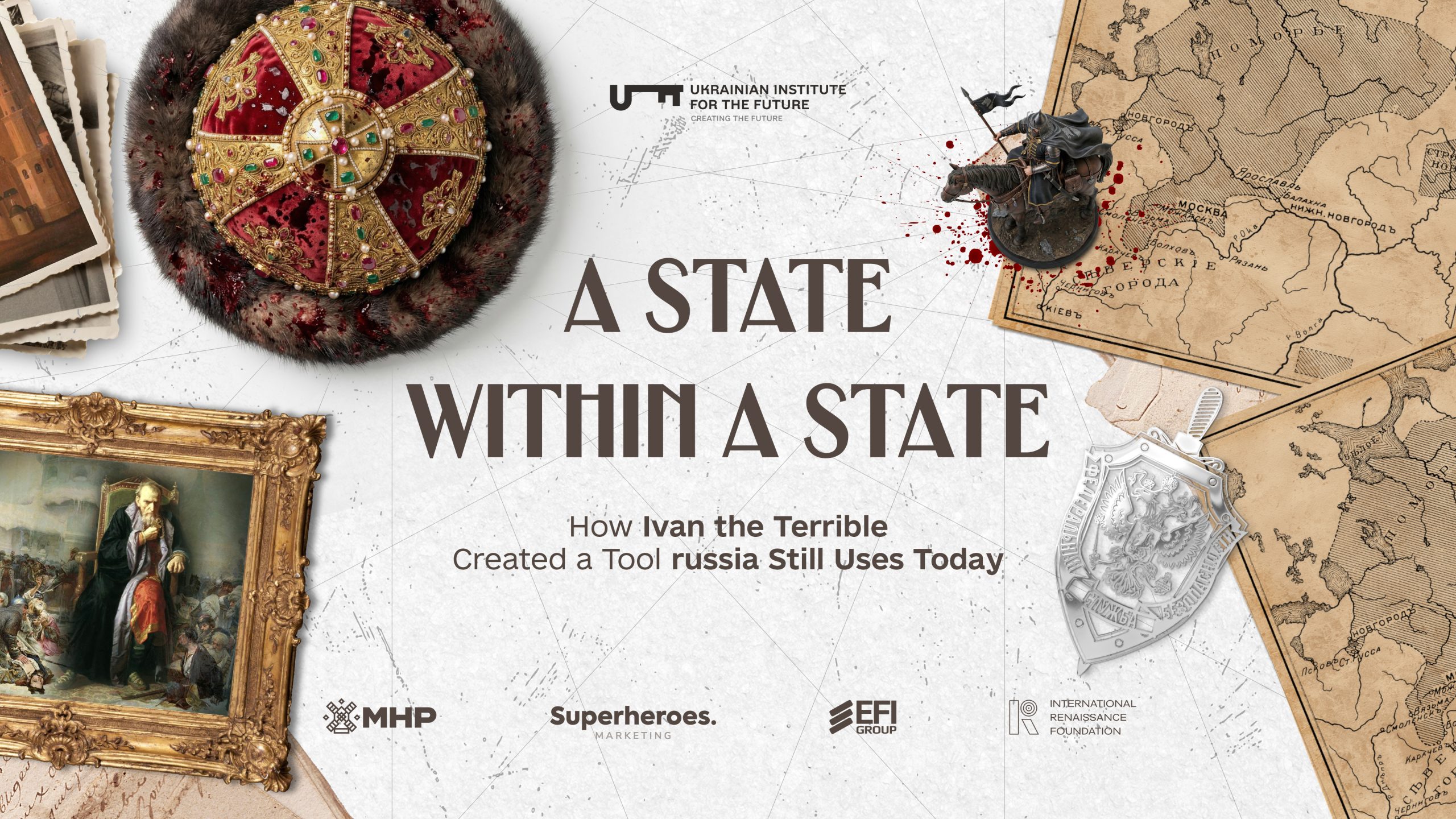
Why does Russia repeatedly violate agreements it has itself signed? Why is it so difficult for countries that once fell into Moscow’s orbit to break away from it? The international discourse still lacks clear answers to these questions. The systemic nature of Russian aggression is often reduced to the decisions of particular leaders or to accidental circumstances.
Existing research on Russian imperialism is fragmented, highly specialized, and usually confined to academic journals. Integrated materials designed for broad public use — such as atlases or interactive resources with maps and charts — are almost absent. Moreover, traditional Russian studies in the West often reproduce an imperial narrative by equating the history of many peoples with the history of the Muscovite and Soviet empires.
Project Lead: Anton Gulidin — Chief Operating Officer of the Ukrainian Institute for the Future.
Author: Serhii Gromenko — Head of the Historical and Cultural Policy Program at the Ukrainian Institute for the Future; compiler and author of the Atlas of Russian Imperialism and Colonialism.

To present a comprehensive explanation of the mechanisms of Russian imperialism — from the conquest of the Kazan Khanate in the 16th century to the full-scale invasion of Ukraine in 2022 — in a format accessible to a broad audience, including journalists, diplomats, activists, and anyone seeking to understand the current war beyond the daily news cycle.

To introduce Ukrainian and international audiences to a comprehensive analytical publication that includes more than 50 thematic maps, timelines, charts, and analytical texts in Ukrainian and English, available in both print and digital formats.

To initiate a public discussion on the historical and contemporary manifestations of Russian imperialism as a systemic phenomenon and on the need to critically reassess it.
The project is implemented with the support of the International Renaissance Foundation. The material reflects the views of the authors and does not necessarily represent the position of the International Renaissance Foundation.