Analytical materials • 03 October 2022
Russia in details: events and trends in Russia over the last week (24.09-30.09)
Conclusions
1. The Russian annexation of a part of Ukraine’s territory will lead to a further collapse of the Russian economy, an increase in social tension, and the nearing of socio-political transformations in Russia. In addition, after voting in the State Duma, everyone who participated is bound by a joint personal responsibility for the war pursuance, for all its victims and war crimes. It is clear that Russia is planning long attrition warfare in Ukraine. The mobilization is going to be continued, they plan to ignore body count, and the economy is being reorganized toward the war effort. In particular, the Russian propaganda will present the cordon and defeat of the Russian military group in Liman as a reason for the escalation of hostilities.
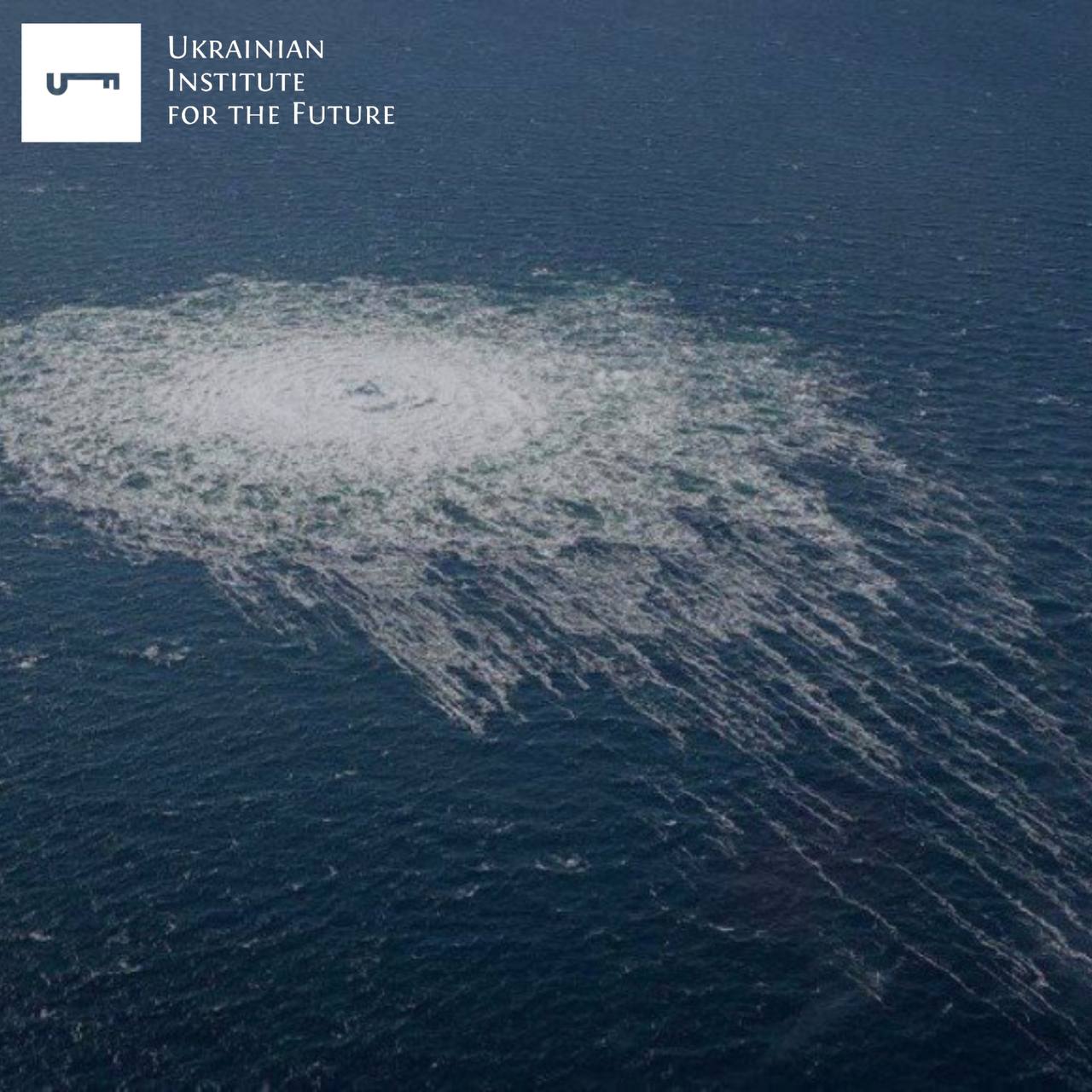
2. The shutdown of Nord Stream 1 and partial operability of Nord Stream 2 may well be a profitable strategy for the Kremlin to use in the energy war against Europe.
It cannot be ruled out that this accident will be regarded as force majeure allowing Gazprom to avoid paying penalties and fines for undersupply of gas to the European Union if preliminary announcements of force majeure (for example, an oil leak) are not accepted by arbitration.
In Europe, namely in Germany, there was a wave of nationalization of European energy assets, taking them under control. There were also discussions on the possibility of expropriating part of the Nord Stream and Nord Stream 2 pipelines.
If all the gas pipeline strings turn out to be unusable, Moscow gets another “argument” why it cannot supply gas to Europe, despite the existence of such capacities in excess — through Ukraine and Poland.
3. The Chinese yuan is almost the only asset in the reserves of the Russian Federation that did not fall under the sanctions. For Russia, the yuan is currently the best option for a new reserve currency, as they plan to reduce the share of “unfriendly” currencies in assets.
On September 28, the yuan fell to its lowest since 2008 and traded at 7.2 CHY/USD. Since the beginning of 2022, the yuan has dropped by 13%. Considering that international experts believe that the pressure on the yuan will continue and the rate may equal 6.8 CHY/USD, this is a bad sign for Russia.
As for Russia’s international reserves, on the background of the yuan weakening they decreased by at least USD 14 billion; the Russian National Wealth Fund assets decreased by more than USD 5 billion.
These figures are not critical for Russia, but they indicate that the new reserve currency does not live up to expectations.
4. To all seeming, Putin did not achieve the maximum goals in putting pressure on the Belarusian leadership, this Belarus’ entry into the war with the help of its Armed Forces remains unlikely.
As for the official recognition of the annexation, Belarus will most likely take a break without moving forward on older issues, for example, the official recognition of Crimea as part of Russia.
Thus (if there is no recognition of the “expansion of the borders of the Russian Federation”), it will be difficult for Moscow to appeal to the obligations of Belarus within the framework of the Collective Security Treaty Organization and the Union State.
At the same time, Alexander Lukashenko obviously made some compromises, and his visit to Abkhazia is the best evidence of this. Judging by the activity of the Armed Forces of Belarus, the main track of the activity of Minsk will be the continuation of the military training game.
The Kremlin declared total war on the West and ultimately took off the table possibility of negotiations
On September 30, Kremlin held a ceremony dedicated to the annexation of part of Ukraine’s territory. The entire event mainly consisted of a speech given by Russian President Vladimir Putin and the signing of so-called “agreements” with four Russian citizens. According to the official version, these agreements will be ratified by the State Duma and after that, Russian Federation will consider parts of the Donetsk, Luhansk, Zaporizhzhia, and Kherson regions as its territory. Not a single state or international organization has recognized either the so-called referendums or the very fact of annexation. However, this step and Putin’s speech will lead to certain consequences.
A Chinese trip-up for Putin
The Chinese yuan is almost the only asset in the reserves of the Russian Federation that did not fall under the sanctions. For Russia, the yuan is currently the best option for a new reserve currency, as they plan to reduce the share of “unfriendly” currencies in assets.
However, Russia has no alternatives. For instance, the Turkish lira has lost 90% of its value in 10 years, the UAE dirham is subject to political risks and the UAE economy remains dollar-based, the Indian rupee is also not suitable since its exchange rate is also unstable.
With the Chinese yuan, too, everything is not that simple. It is relatively easy to invest in Chinese assets but not that easy to siphon off as it requires permission from the Chinese authorities, which will be extremely difficult to get during a crisis. So in effect, China controls Russian yuan reserves.
In 2021, the Russian government invested USD 110 bln in yuan (more than 17% of its gold and foreign currency reserves). Data on the structure of Russia’s reserves after the invasion of Ukraine is not published, but, as reported in the media, investments in the yuan can now amount to more than USD 180 bln. Russia is currently working on a plan to buy the yuan and the currencies of other “friendly” countries, planning to spend USD 70 bln by the end of 2022.
Last year, the Russian Ministry of Finance said no to the American currency in the National Wealth Fund and structured the portfolio as follows: 40% in euros, 30% in yuan, 5% in pounds and yen, and 20% in non-physical gold. According to the Russian Ministry of Finance, as of July 1, the total assets of the National Welfare Fund amounted to 10.8 trillion rubles (USD 210.6 bln).
On September 28, the yuan fell to its lowest since 2008 and traded at 7.2 CHY/USD.
Since the beginning of 2022, the yuan has dropped by 13%. Considering that international experts believe that the pressure on the yuan will continue and the rate may equal 6.8 CHY/USD, this is a bad sign for Russia.
As for Russia’s international reserves, on the background of the yuan weakening they decreased by at least USD 14 billion; the Russian National Wealth Fund assets decreased by more than USD 5 billion.
These figures are not critical for Russia, but they indicate that the new reserve currency does not live up to expectations. According to experts, it is necessary to switch to an alternative financial system with the ruble pegged to a basket of export goods and not to the dollar, euro or yuan.
Meanwhile, the US dollar shows the highest value against the euro in the last 20 years and retains its role as the world’s leading reserve currency.


Together we can change the future! Your support allows us to continue our research and provide objective analysis of key social issues. Join us today to build the future of our generations together.
Support