News • 17 March 2025
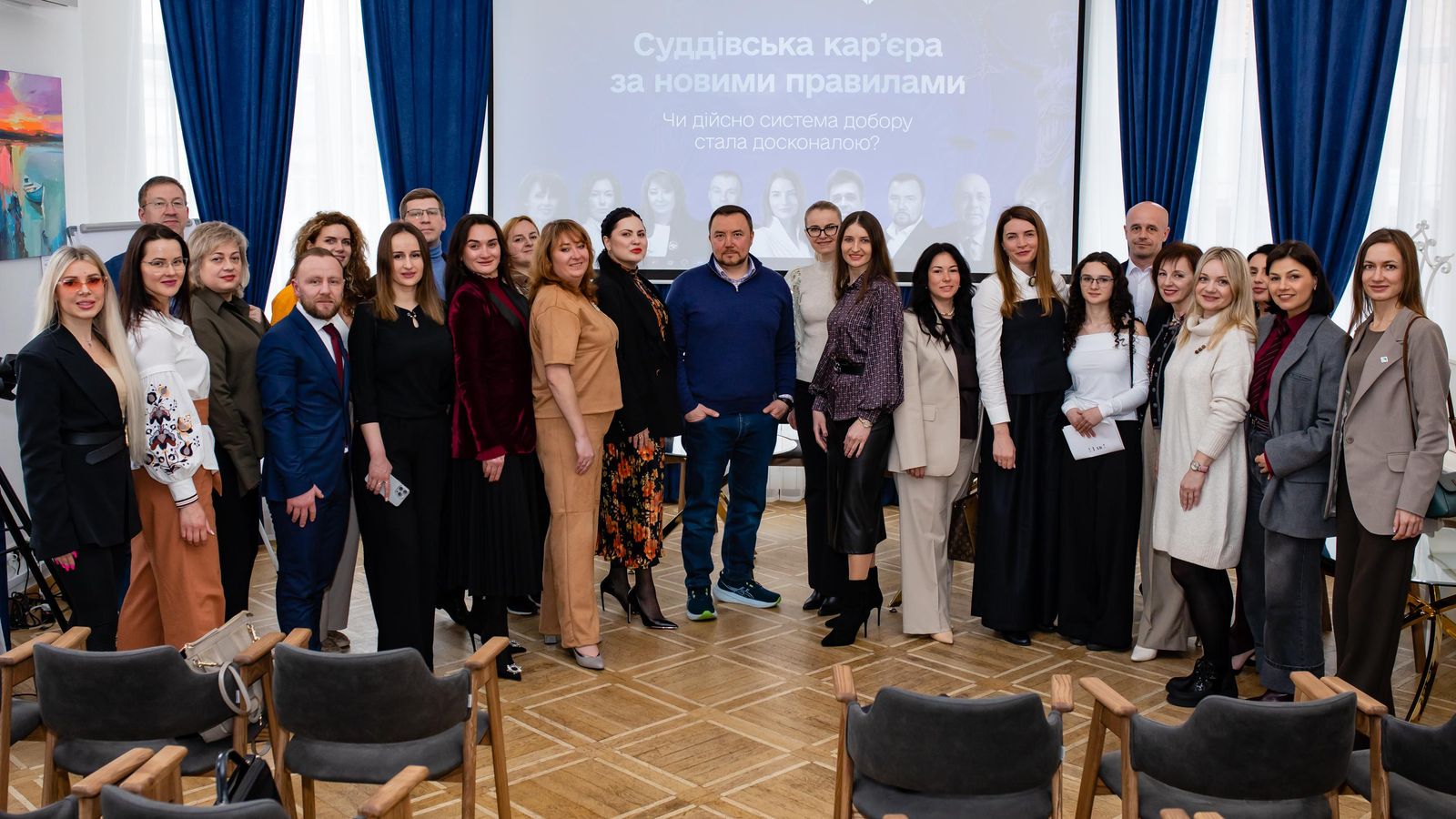
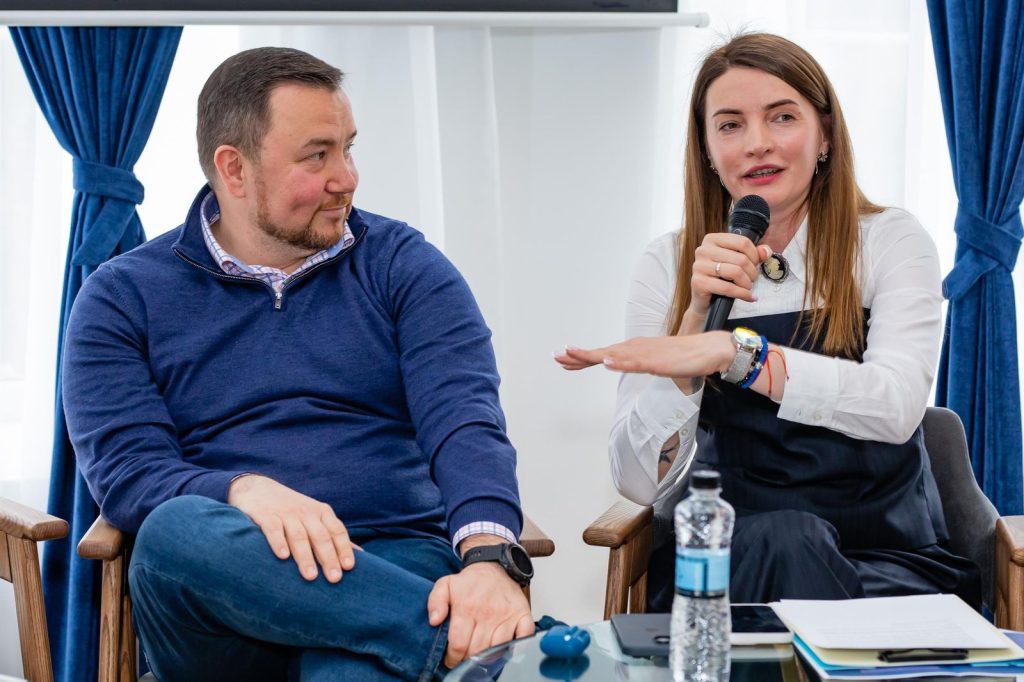
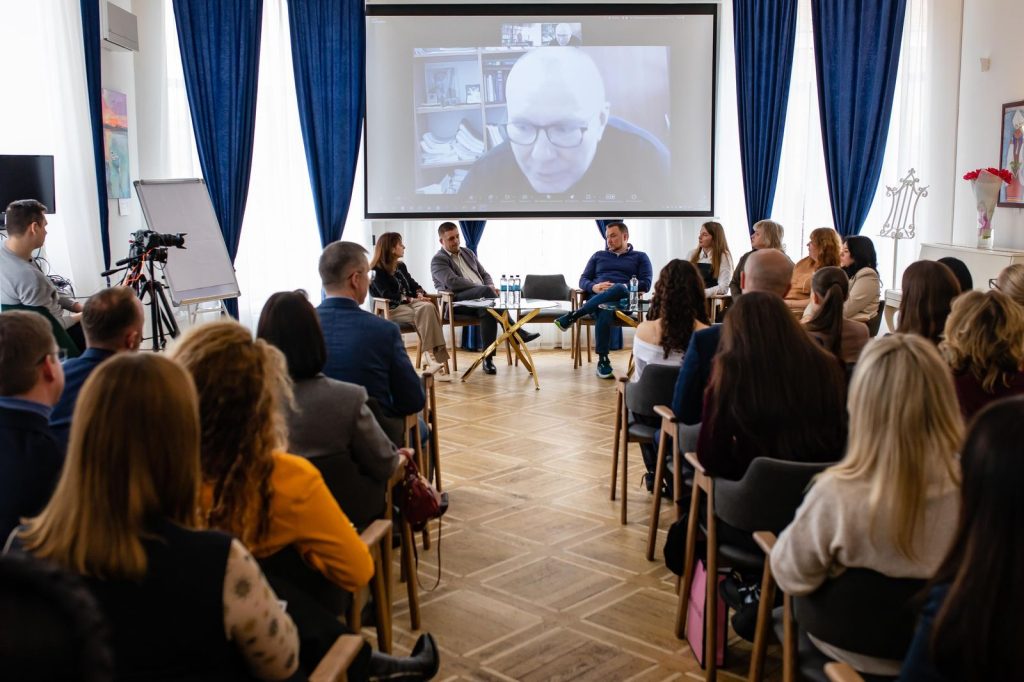
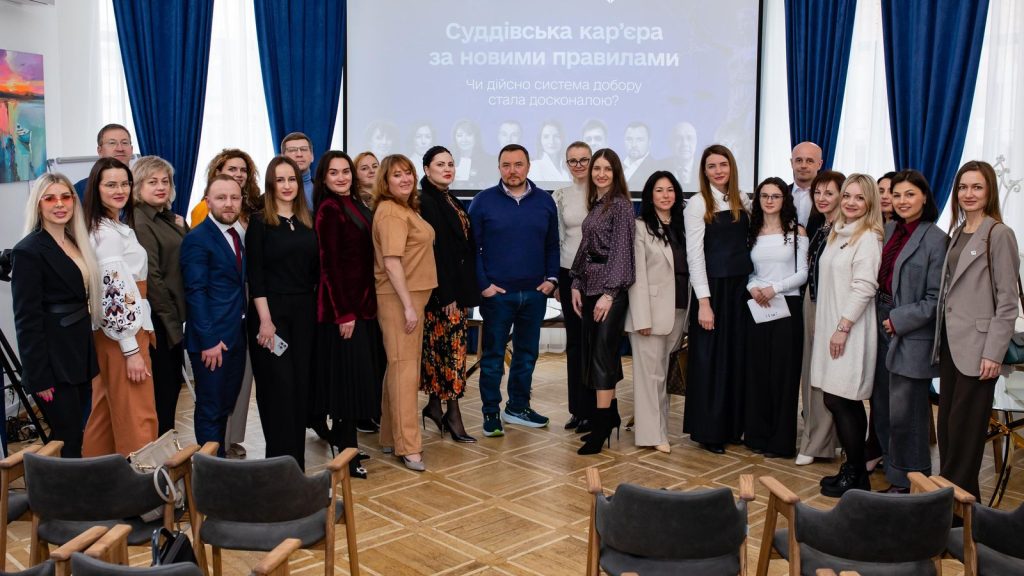
On Saturday, March 15, a meeting of the “Legal Aspect” discussion club took place, organized by the Ukrainian Institute for the Future (UIF) and the Legal Association “DOBROSUD.”
“The current selection system is not perfect, in my subjective opinion.”
Vitaliy Dubas, Judge of the High Anti-Corruption Court
Like-minded individuals who questioned whether a cognitive test is a reliable metric for appointing judges gathered for a live weekend discussion hosted by UIF. Invited guest experts aimed to explore how the updated testing process for Ukrainian judges will affect the national judicial landscape. The discussion was moderated by Tetiana Ohnevliuk, Chair of the Board of the Legal Association “DOBROSUD.”
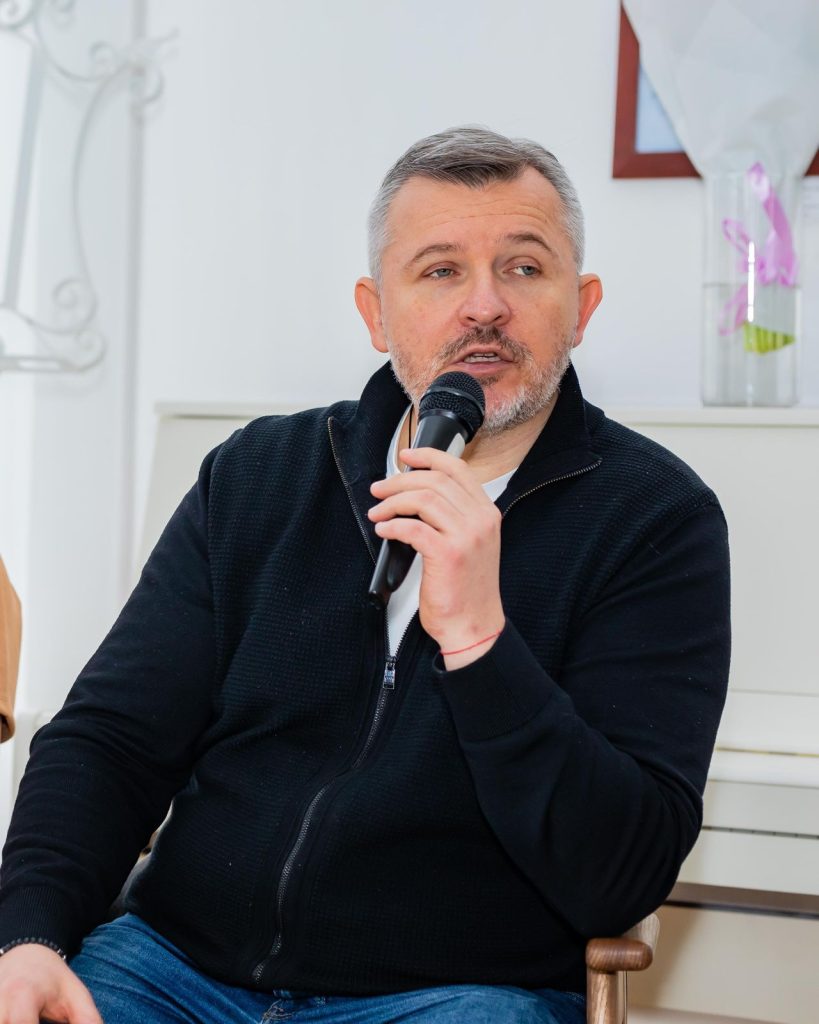
The event was opened by UIF Executive Director Anatoliy Amelin, who shared his vision of Ukraine’s current judicial system: “Courts are a legitimate tool for restoring justice. Finding a mediator capable of delivering a decision that satisfies both parties is important. Who do I want to see as a judge? For me, it is crucial that the person is respected and deeply values their reputation. A person I can trust, who commands authority among a wide circle and has the credibility to administer justice.”
Anatoliy Amelin also emphasized the importance of involving ordinary citizens and the business sector—clients of the judicial system—in such discussions, a view supported by many of the attending experts.
Tetiana Ohnevliuk initiated the discussion by addressing recent amendments to the judicial system law regarding selection, adopted in December 2023. She noted that the judge selection procedure has changed approximately every four years since 2010, making the path to becoming a judge in Ukraine far from simple.
Denys Maslov noted that the idea for implementing the legislation originated from our partners. It aimed to shorten the stages of selection and competition, ensuring all candidates for judicial positions have equal opportunities and compete based on their knowledge and skills. According to his forecast, around 2,500 individuals will apply this year.
The implemented test did not raise objections from the speaker. In his view, a judge must be a person of values, as they deliver decisions on behalf of Ukraine over a long period. Typically, when a person chooses to become a judge, they are motivated by three factors:
Alla Lesko pointed out that the new procedure is not enough to ensure the appointment of a noble and honest judge. “A person with a high level of intelligence is good, but it does not guarantee the integrity of a judge,” she stated. She would rather assess moral and ethical qualities to form a psychological profile of the candidate and identify psychopathological risks. As it stands, “the test does not guarantee that the individual will possess developed moral values or be free from tendencies toward destructive behavior and abuse.”
Ilona Kaminska is convinced that only the judicial system itself is capable of cultivating a judge. “Changes in legislation have in no way simplified this selection process,” the lawyer noted. In her opinion, the main problem lies not in the lack of judicial prestige but in the unwillingness of people to participate in these lengthy procedures.
Oleksandr Havrylenko commented on the Ukrainian judge evaluation program of 2025 from a scientific perspective: “The program is relatively easy, and it poses no difficulty for an average law student to pass this exam.” Referring to a common social media opinion that testing for Ukrainian judges should begin with the history of 1990, he pointed out that any experience is valuable and that it would be unwise to dismiss the experience gained during the period when Ukrainian lands were part of the empire.
Olena Ivanova addressed the concept of a judge’s intellect and whether a cognitive test can measure it. “When we introduce a test, we absolve ourselves of responsibility, allowing paperwork to dictate our decisions,” the invited expert asserted. For her, the hallmark of professionalism is when a specialist does not require supervision while providing services.
In response to Tetiana Ohnievyiuk’s question, “Does a high level of intelligence guarantee a fair decision from a judge?” Olena Ivanova firmly stated that “integrity and intelligence are not related.”
The judicial segment of the discussion featured a triad of professionals who administer justice on a professional basis:
Vitaliy Dubas shared his impressions of the competition to become a judge of the High Anti-Corruption Court, describing it as “a feeling of being a victim.” In his view, cognitive abilities can be assessed purely for informational purposes: “Personally, I see no practical need for such testing. The principle is simple — memorize, pass, forget.”
The judge proposed an optimal approach that is as close to ideal as possible:
Inna Moskalenko also supported the view that the current cognitive test does not demonstrate the necessary skills of a judge. The reason is that it analyzes a very narrow spectrum of judicial competencies. “The position of a judge is somewhat creative, and cognitive tests cannot be applied to creative professions,” the guest shared. She presented statistics from her professional environment to support her point: 75% of newly appointed judges expressed that the cognitive test is merely a formal obstacle.
Andriy Ivanov, who personally took the cognitive tests, emphasized that preparation for them does not require much time and effort. He believes that such tests should, to some extent, be included in the selection process, but they should be supplemented with moral and ethical tests to assess a judge’s capabilities.
The discussion sparked lively engagement as questions from the specialists present in the hall poured down on the experts. At the end of the event, the invited guests conducted a one-minute blitz reflection.
Thank you for your attention to this pressing topic, and we invite you to watch the online broadcast of the “Legal Aspect” discussion club meeting! We will announce the date of the next event soon. Stay tuned to UIF news to move together toward a successful future for Ukraine.


Together we can change the future! Your support allows us to continue our research and provide objective analysis of key social issues. Join us today to build the future of our generations together.
Support